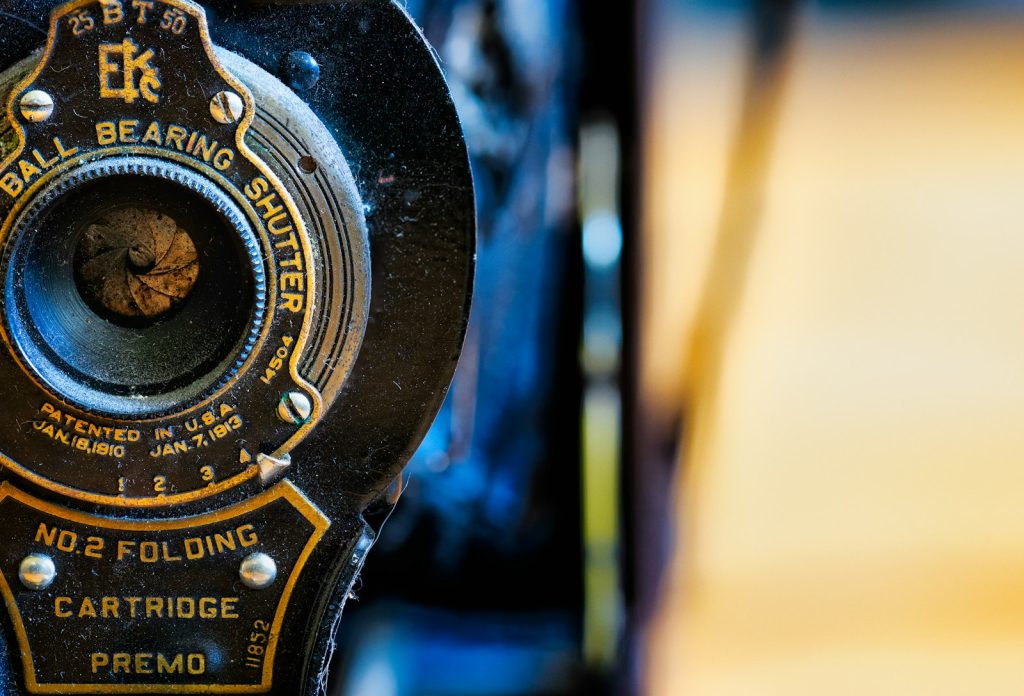
Photography is the single most impactful visual element on a local business website — and the one most often done badly. The difference between a website populated with generic stock photos and one built around genuine, high-quality images of the business, its people, and its work is immediately visible, commercially significant, and very difficult to fake.
For local businesses on the Mornington Peninsula, authentic photography is also a specific competitive advantage. Stock images are inherently placeless. Real photos of your team on site in Mornington, completed projects in Rosebud, or your shopfront in Mount Eliza root your business in a specific place — which is exactly what local customers want to see.
Why Stock Photos Undermine Trust
Stock photos are recognisable. Visitors have seen the same smiling team, the same handshake over a desk, the same tools arranged perfectly on a white background, on dozens of other websites. The recognition isn’t conscious — but the effect is. Stock photos signal that the business either doesn’t have real visual content to show, or couldn’t be bothered producing it. Neither impression supports trust.
Real photos of your actual team, your actual work, and your actual environment are inherently more credible. They can’t be replicated by a competitor. They demonstrate that the business exists, does real work, and employs real people — basic trust signals that stock photos simply cannot provide.
What Photos a Local Business Website Needs
Team photos. Real, professional photos of the people who do the work — not just a group shot, but individual portraits that put faces to names. People buy from people. A visitor who can see who they’ll be dealing with is further along the trust journey than one looking at a generic “about” page with no faces.
Work in progress and completed project photos. For trade and project-based businesses, before and after photos, work in progress shots, and completed project galleries are among the most visited and most commercially valuable content on the website. They answer the visitor’s primary question — “can this business actually do what they claim?” — before it needs to be asked.
Premises and environment photos. For businesses with a physical location — a showroom, a clinic, a studio — photos of the environment set expectations and build familiarity before a first visit. A visitor who has seen your space online arrives with less anxiety and more confidence.
Process photos. Photos that show how you work — consultations, site visits, detailed work, team collaboration — communicate methodology and professionalism in a way words alone can’t.
You Don’t Need a Full Commercial Shoot to Start
Professional photography is worth the investment for a permanent website asset, but it’s not a prerequisite for launching. Many local businesses start with good-quality photos taken on a modern smartphone — which, with decent lighting and a steady hand, produce results far superior to generic stock images.
Natural light, a clean background, and photos taken during actual work (rather than staged) are the key ingredients for authentic, effective photos. A web designer on the Mornington Peninsula can guide you on what specific photos are needed for each page, making the photography brief straightforward even if you’re doing it yourself initially.
Image Optimisation for Performance
High-quality photos carry a risk: large file sizes that slow your website down. An unoptimised 4MB JPEG that looks great on a desktop will cause your page to load painfully slowly on mobile — which harms both user experience and SEO.
All images on a website should be compressed and served in modern formats (WebP where possible), sized appropriately for the context they’re used in, and loaded with lazy loading enabled for images below the fold. This is a technical step handled during the build — but worth understanding as a business owner, because uploading large unoptimised photos directly to WordPress is one of the most common sources of page speed degradation over time.
Alt Text: the SEO Value of Your Images
Every image on your website should have descriptive alt text — a brief description of the image that serves both accessibility (screen readers) and SEO (search engines). An image of a completed bathroom renovation in Mornington with alt text “bathroom renovation Mornington Peninsula” provides a relevant local keyword signal that contributes, in a small way, to the page’s overall relevance for that location and service.
This is a simple, systematic step that many businesses overlook. Applied across every image on a well-photographed website, it adds up to a meaningful contribution to local SEO.
Browse our portfolio to see how photography is used across different types of local business builds. If you’re planning a new website or refreshing an existing one, get in touch to discuss your photography plan as part of the broader project.
Frequently Asked Questions
Is professional photography worth the cost for a small business website?
Yes — as a long-term investment. Professional photography is used across your website, Google Business Profile, social media, and any printed materials. A good set of images serves your marketing for years. The cost of a half-day professional shoot is typically recovered within months through the improved conversion rate it produces.
Can I use my smartphone for website photos?
Yes, with some care. Modern smartphones produce excellent results in good natural light. The keys are: shoot in the best available light, keep the lens clean, use portrait mode for people and standard mode for spaces, and take more shots than you think you need. The results won’t match a professional photographer, but they’ll significantly outperform stock images.
How many photos do I need for a local business website?
For a standard local business website of five to ten pages, a realistic minimum is: two to three team photos, five to ten project or work photos, two to three environment or premises shots, and a hero image for the homepage. More is generally better, but this set covers the most important use cases.
Should I use before and after photos on my website?
Absolutely — particularly for trade businesses, renovation and construction, landscaping, cleaning, and any business where transformation is a core part of the value delivered. Before and after photos are among the most credible and compelling content a project-based business can display. They show results in the most direct possible way.